In today’s fast-paced digital world, the Touch Screen Tablet Computer has seamlessly integrated into our lives, transforming from a novel gadget into an indispensable tool. These versatile devices effortlessly bridge the gap between the portability of a smartphone and the robust capabilities of a laptop, offering a unique blend of convenience and power. From streaming your favorite shows to managing complex work projects, a touch screen tablet computer stands ready to enhance your daily routines. With over a decade of specialized experience in tablet technology, I’ve witnessed firsthand its incredible evolution. This guide is crafted to share practical insights, helping you navigate the diverse market and choose the touch screen tablet computer that perfectly aligns with your needs and lifestyle.
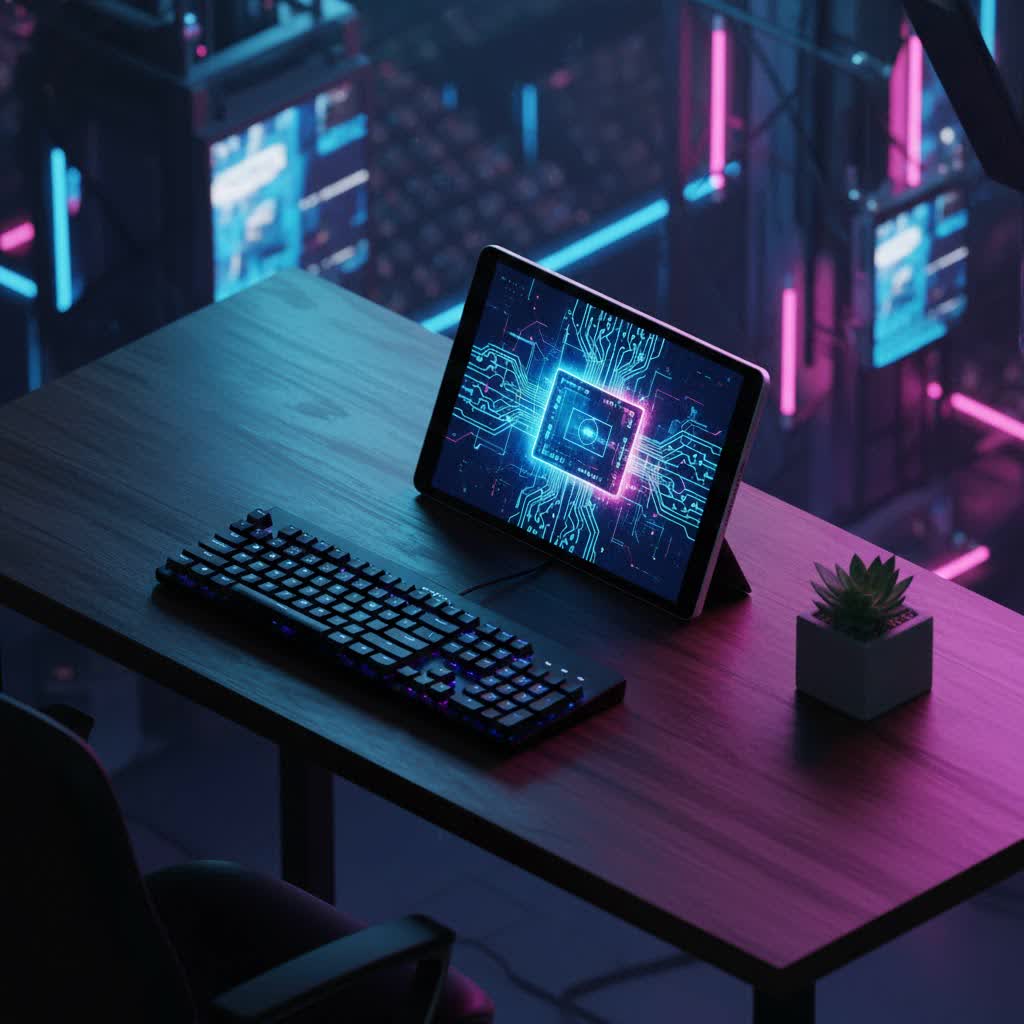
Understanding the Landscape: Popular Touch Screen Tablet Computer Types
The market for touch screen tablet computers is vibrant, offering a range of operating systems, each with its distinct advantages and characteristics. Understanding these fundamental differences is the first step in making an informed decision about your next device.
Android Touch Screen Tablet Computers
Android tablets offer unparalleled flexibility and choice, making them a popular option for many users. They come in a vast array of designs and price points, catering to almost any budget.
- Advantages: Android touch screen tablet computers are known for their affordability, offering competitive features without breaking the bank. Users benefit from high customization options, allowing them to personalize interfaces and functionalities extensively. The open Android ecosystem boasts a massive library of applications, and many models include expandable storage via microSD cards, providing ample space for all your files and media.
- Disadvantages: While Android’s open nature offers flexibility, it can lead to varying levels of performance and security across different manufacturers and models. The app ecosystem, while extensive, sometimes lacks the level of optimization and quality control seen on other platforms for tablet-specific interfaces.
- Examples: Popular choices include the Samsung Galaxy Tab series, known for its vibrant AMOLED displays and S Pen integration, the powerful OnePlus Pad, and the budget-friendly Amazon Fire tablets.
|
Our Picks for the Best Tablet Computer in 2026
As an Amazon Associate I earn from qualifying purchases.
|
||
| Num | Product | Action |
|---|---|---|
| 1 | Amazon Fire HD 10 tablet (newest model) built for relaxation, 10.1" vibrant Full HD screen, octa-core processor, 3 GB RAM, 32 GB, Ocean |

|
| 2 | Amazon Fire Max 11 tablet (newest model) vivid 11” display, all-in-one for streaming, reading, and gaming, 14-hour battery life, optional stylus and keyboard, 64 GB, Gray |
|
| 3 | Apple iPad 11-inch: A16 chip, 11-inch Model, Liquid Retina Display, 128GB, Wi-Fi 6, 12MP Front/12MP Back Camera, Touch ID, All-Day Battery Life — Blue with AppleCare+ (2 Years) |
|
| 4 | Apple iPad 11-inch: A16 chip, 11-inch Model, Liquid Retina Display, 128GB, Wi-Fi 6, 12MP Front/12MP Back Camera, Touch ID, All-Day Battery Life — Silver |
|
| 5 | Apple iPad 11-inch: A16 chip, 11-inch Model, Liquid Retina Display, 128GB, Wi-Fi 6, 12MP Front/12MP Back Camera, Touch ID, All-Day Battery Life — Pink with AppleCare+ (2 Years) |
|
| 6 | 2-in-1 Laptop/Tablet (2025), Windows 11 PC with Magnetic Keyboard, 12” 2K FHD IPS Touchscreen Display, 4-core N95, 12GB DDR5 RAM 512GB SSD, 2 Stereo Speakers Computer for Home Business Students |
|
| 7 | Samsung Galaxy Tab A9+ Kids Edition 11” 64GB WiFi Android Tablet, Long Battery Life, Expandable Storage, Slim & Lightweight, Kid-Friendly Durable Puffy Cover, US Version, Red |
|
| 8 | Apple iPad 11-inch: A16 chip, 11-inch Model, Liquid Retina Display, 128GB, Wi-Fi 6, 12MP Front/12MP Back Camera, Touch ID, All-Day Battery Life — Yellow with AppleCare+ (2 Years) |
|
| 9 | Amazon Fire HD 8 tablet (newest model), 8” HD Display, 3GB memory, 32GB, designed for portable entertainment, Hibiscus |
|
| 10 | Samsung Galaxy Tab A9+ Tablet 11” 64GB Android Tablet, Big Screen, Quad Speakers, Upgraded Chipset, Multi Window Display, Slim, Light, Durable Design, US Version, 2024, Graphite |
|
iPad (iPadOS) Touch Screen Tablet Computers
Apple’s iPads have long been the benchmark for premium touch screen tablet computers, offering a refined and powerful user experience.
- Advantages: iPads are celebrated for their consistently powerful performance, often driven by Apple’s cutting-edge Bionic and M-series chips, making them ideal for demanding tasks like video editing and graphic design. They boast strong security features and a highly curated app ecosystem, where applications are meticulously optimized for the tablet form factor. Seamless integration with other Apple devices creates a cohesive digital environment.
- Disadvantages: Generally, iPads come with a higher price tag compared to many Android alternatives. They offer less customization in terms of interface design, and Apple’s closed ecosystem means there’s no expandable storage via external cards.
- Examples: The lineup includes the standard iPad, a great all-rounder; the powerful iPad Air and iPad Pro models, favored by professionals; and the compact iPad mini.
Windows Touch Screen Tablet Computers
Windows tablets, primarily spearheaded by Microsoft’s Surface line, blur the lines between a tablet and a traditional laptop, offering a full desktop operating system experience.
- Advantages: The biggest draw of Windows touch screen tablet computers is their full compatibility with Windows desktop applications, making them perfect for professionals who need to run programs like Microsoft Office or Adobe Creative Cloud. Their ability to transform into a laptop with a detachable keyboard makes them highly versatile for office work and productivity.
- Disadvantages: Compared to Android and iPadOS, there are fewer applications specifically optimized for a touch-first tablet experience on Windows. Depending on the model and processor, battery life might not be as extended as on ARM-based tablets. Newer models with ARM-based Snapdragon processors may also have compatibility considerations with older x86 applications.
- Examples: The Microsoft Surface Pro series stands out as the prime example, offering a powerful and portable computing experience.
Your Essential Buying Guide: How to Choose a Touch Screen Tablet Computer
Selecting the right touch screen tablet computer involves evaluating several key criteria to match your device with your specific needs. Here’s what to consider:
Screen Size: Finding Your Ideal View
The size of your tablet’s screen significantly impacts its portability and how you interact with content.
- 7-8 inches: These smaller tablets are incredibly portable and lightweight, making them perfect companions for reading e-books, casual web browsing, and consuming media on the go.
- 9-11 inches: Offering a balanced blend of portability and screen real estate, mid-size tablets are excellent for everyday tasks, light productivity, and an immersive media experience.
- 12 inches or larger: These large touch screen tablet computers are designed for maximum productivity and creative work. They can effectively serve as laptop replacements, ideal for multitasking, professional design, or detailed document editing.
Performance Matters: CPU, RAM, and Storage
The internal components of your touch screen tablet computer determine its speed and efficiency.
- CPU (Central Processing Unit): The processor is the brain of your tablet. Look for powerful chips like Apple’s Bionic or M-series (e.g., M3), Qualcomm’s Snapdragon (e.g., Snapdragon 8 Gen series, Snapdragon X Elite/Plus), or MediaTek Dimensity for smooth performance across demanding applications and games.
- RAM (Random Access Memory): RAM dictates how many applications your tablet can run simultaneously without slowing down. While 4GB is a minimum for basic tasks, 6GB or more is highly recommended for efficient multitasking and running more intensive apps.
- Internal Storage: This is where your apps, photos, and files reside. A minimum of 64GB is advisable, but consider 128GB or higher if you download many apps or store large files. Android tablets often offer expandable storage via microSD cards, a feature less common in iPads or Windows tablets.
Battery Life: Powering Your Day
A long-lasting battery is crucial for a truly mobile experience. Aim for a touch screen tablet computer that offers at least 8 hours of continuous use. Many top-tier models now boast impressive battery lives, often reaching 14 to 16 hours, ensuring you stay powered throughout your day without constantly searching for an outlet.
Operating System: Aligning with Your Ecosystem
Your choice of operating system (Android, iPadOS, or Windows) should align with your existing digital ecosystem and how you plan to use your tablet. If you value openness and customization, Android might be your best fit. For a polished, secure, and app-optimized experience, iPadOS excels. If you require full desktop software compatibility for professional tasks, a Windows tablet is the way to go.
Essential Features: Beyond the Basics
Consider these additional features to enhance your touch screen tablet computer experience:
- Connectivity: Look for 4G or 5G cellular connectivity if you need internet access away from Wi-Fi.
- Stylus Support: For artists, note-takers, or anyone who enjoys precision, features like Apple Pencil or Samsung’s S Pen are invaluable.
- Detachable Keyboards: These accessories transform your tablet into a productivity powerhouse, making typing long documents or emails much more efficient.
- Camera Quality: While not primary for tablets, good front and rear cameras are useful for video calls, scanning documents, and casual photography.
- Build Quality & Durability: Features like water and dust resistance (e.g., IP68 rating on some Samsung tablets) add peace of mind for active users.
Touch Screen Tablet Computer Comparison Overview
To help visualize the differences, here’s a quick comparison of the main touch screen tablet computer categories:
| Criteria | Android | iPad | Windows |
|---|---|---|---|
| Price | Budget to Premium | Premium | Mid-range to Premium |
| Performance | Varies significantly by model | Consistently Powerful | Varies by CPU, often robust |
| OS Flexibility | Open, highly customizable | Closed, optimized, user-friendly | Open (desktop-like), versatile |
| App Ecosystem | Vast, but quality can vary | Curated, high-quality, tablet-optimized | Desktop software focus, fewer tablet-specific apps |
| Portability | High, wide range of sizes | High, sleek designs | Medium, can be heavier with keyboard |
Top Touch Screen Tablet Computers in 2026: Expert Picks
The tablet market is constantly evolving, with new innovations pushing boundaries. Based on current trends and expected releases, here are some of the most favored touch screen tablet computers for 2026:
Samsung Galaxy Tab S10 Ultra (Android)
The Samsung Galaxy Tab S10 Ultra continues to impress with its massive, vibrant AMOLED display, making it a dream for media consumption and creative tasks. Powered by a high-end Snapdragon chip, it delivers exceptional performance, further enhanced by the included S Pen and Samsung’s DeX mode for a desktop-like experience. Its long battery life and robust build quality make it a top contender.
Apple iPad Air 11-inch (M3) (iPadOS)
The Apple iPad Air 11-inch with the M3 chip strikes an excellent balance between raw power, sleek design, and portability. It benefits from Apple’s extensive and highly optimized app ecosystem, offering seamless integration with other Apple devices. This model provides substantial performance for creative work, gaming, and everyday productivity, making it an ideal choice for most users seeking a premium iPad experience without the Pro-level price.
Microsoft Surface Pro Copilot+ (Windows)
The Microsoft Surface Pro Copilot+, featuring powerful Snapdragon X Elite/Plus processors and an stunning OLED touchscreen, represents the pinnacle of Windows touch screen tablet computers. It’s designed to be a true laptop replacement, offering the full functionality of Windows with the added benefits of AI-powered features. This device is particularly suited for professionals who require robust desktop applications in a highly portable, versatile form factor.
Maximizing Your Tablet Experience: Tips for Use and Maintenance
To ensure your touch screen tablet computer remains a reliable and enjoyable companion for years to come, proper care and usage are essential.
- Keep Your Screen Clean: Regularly clean your screen with a soft, microfiber cloth specifically designed for electronics to remove fingerprints and smudges, maintaining optimal visual clarity.
- Regularly Update Software: Always install operating system updates as soon as they become available. These updates often include crucial security patches, performance enhancements, and new features that keep your device running smoothly and securely.
- Protect Your Device: Invest in a quality case and screen protector to guard against accidental drops, scratches, and impacts. Physical protection is key to extending your tablet’s lifespan.
- Use Genuine Accessories: Opt for chargers, cables, and other accessories from reputable brands, ideally the tablet’s original manufacturer. This ensures compatibility and prevents potential damage from substandard products.
- Optimize Battery Life: To maximize your battery’s longevity, avoid fully draining it frequently. Keep screen brightness at a comfortable level, close unused apps running in the background, and disable features like Wi-Fi or Bluetooth when not needed.
“With over a decade of hands-on experience, I’ve seen tablet technology evolve from niche gadgets to indispensable tools. The key isn’t just owning a tablet; it’s selecting the one that genuinely enhances your daily life and workflows.” – Admin, reviewercaa.com
Conclusion
The journey of selecting the perfect touch screen tablet computer can feel overwhelming given the sheer variety available. However, by understanding the distinct characteristics of Android, iPadOS, and Windows tablets, and carefully considering your individual needs—from screen size and performance to battery life and specific features—you can confidently make a choice that truly serves you. The tablet market continues to innovate, offering increasingly powerful and versatile devices that blur the lines between traditional computing categories.
Which touch screen tablet computer features are most important to you for your daily tasks?
Frequently Asked Questions
What is the primary difference between a tablet computer and a laptop?
Tablets are typically lighter and more portable with a touch-sensitive screen, using mobile operating systems (like iPadOS or Android). Laptops usually feature physical keyboards, larger screens, and run full desktop operating systems (like Windows or macOS), offering more storage and processing power for intensive tasks.
Can a touch screen tablet computer truly replace a laptop for work?
For many users, yes. Modern tablets, especially larger models with detachable keyboards and powerful processors (like iPad Pros or Microsoft Surface Pro), can handle most productivity tasks, document editing, and even some creative work. However, for highly specialized software or heavy computational tasks, a traditional laptop might still be more suitable.
Are Android tablets as secure as iPads?
Both Android tablets and iPads have robust security features. Apple’s integrated hardware and software ecosystem often results in a more tightly controlled and perceived secure environment. Android’s open nature can lead to more variability, but reputable manufacturers provide regular security updates. Users should always practice good digital hygiene.
What specifications are crucial for a good gaming touch screen tablet computer?
For a great gaming experience, prioritize a powerful CPU (e.g., Apple M-series, high-end Snapdragon), ample RAM (8GB or more), a high-refresh-rate display for smooth visuals, and sufficient internal storage for games. Good battery life and efficient cooling are also beneficial for extended gaming sessions.
How often should I update my tablet’s operating system?
It is highly recommended to update your tablet’s operating system as soon as updates become available. These updates often include crucial security patches, performance improvements, and new features, ensuring your device runs smoothly and stays protected from vulnerabilities.
