The landscape of personal computing has evolved dramatically over the past decade, blurring the lines between traditional laptops and portable tablets. At the forefront of this evolution is the tablet computer – a versatile device designed to offer the best of both worlds, empowering users with portability and robust functionality. As an administrator deeply immersed in tablet technology for over 12 years, I’ve witnessed these devices transform from simple content consumption tools into powerful machines capable of handling complex tasks. This comprehensive guide will share invaluable insights to help you navigate the myriad of options and choose the ideal tablet computer that aligns perfectly with your needs, whether for work, creativity, or entertainment.
Understanding PC Tablet Computers: A Hybrid Revolution
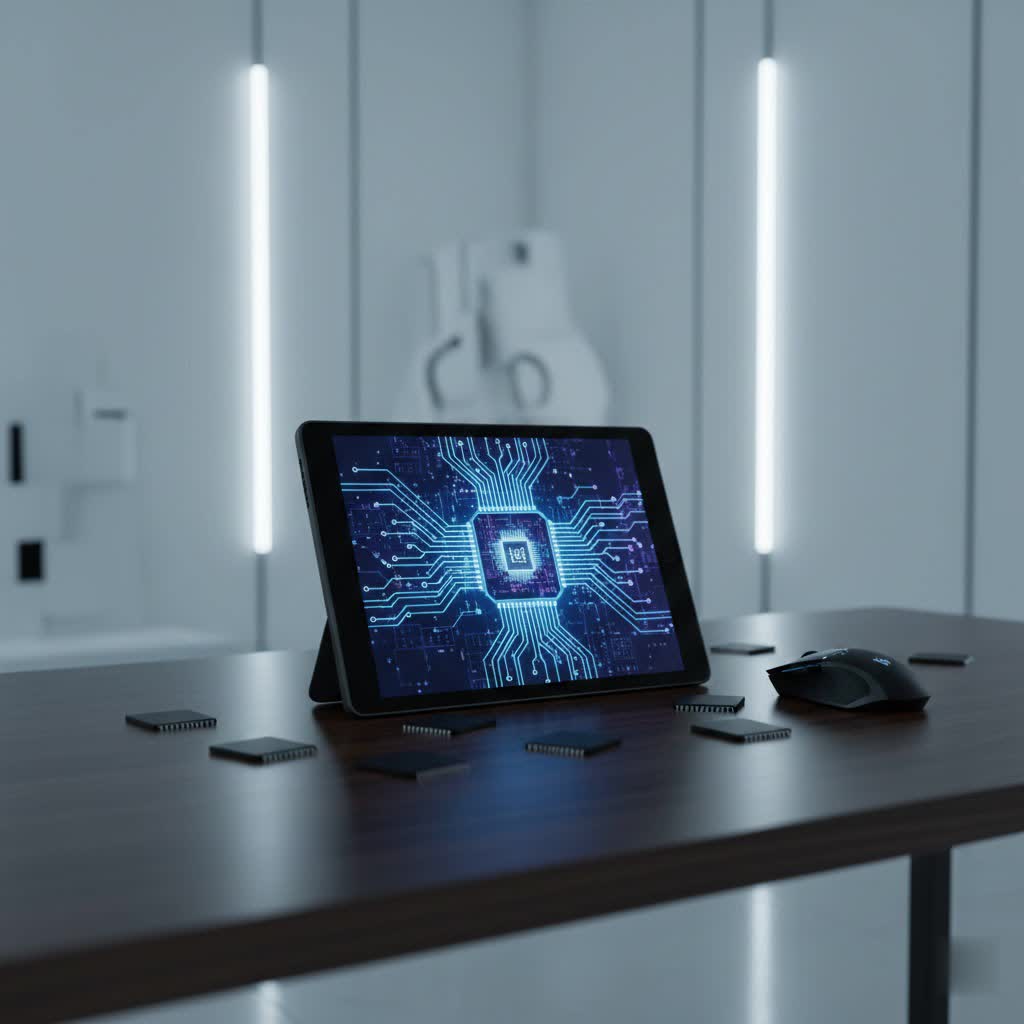
A Pc Tablet Computer represents a category of mobile devices that integrates the intuitive touchscreen interface and portability of a tablet with the processing power and operating system capabilities typically found in a personal computer. These devices are designed to offer a flexible computing experience, allowing users to switch effortlessly between a touch-first tablet mode for casual browsing and a more traditional laptop-like setup with a keyboard and stylus for productivity. The evolution of these hybrids has made them increasingly appealing to professionals, students, and creative individuals seeking a single device that can adapt to various demands without compromise.
Popular Types of Tablet Computers
When exploring the world of tablet computers, you’ll primarily encounter three distinct operating systems, each offering a unique user experience. Understanding their core characteristics is crucial for making an informed decision about your next tablet PC.
Android Tablet Computers
Android tablets are known for their diversity, offering a wide range of devices across various price points. This open-source platform allows for extensive customization and boasts a vast library of applications through the Google Play Store.
- Advantages:
- Affordability: Generally, Android tablets provide excellent value, with many budget-friendly options available.
- Application Diversity: Access to millions of apps and games, often with more free options than other platforms.
- High Customization: Users can personalize nearly every aspect of the interface, from launchers to widgets.
- Disadvantages:
- Security Concerns: Due to its open nature, Android can sometimes be more susceptible to malware compared to more closed ecosystems, although significant improvements have been made.
- Inconsistent Performance: Performance can vary widely depending on the manufacturer and specific hardware, leading to a fragmented experience across different models.
- Software Updates: Timely software updates can be inconsistent, with some devices receiving updates much later than others or not at all.
|
Our Picks for the Best Tablet Computer in 2026
As an Amazon Associate I earn from qualifying purchases.
|
||
| Num | Product | Action |
|---|---|---|
| 1 | Apple iPad 11-inch: A16 chip, 11-inch Model, Liquid Retina Display, 128GB, Wi-Fi 6, 12MP Front/12MP Back Camera, Touch ID, All-Day Battery Life — Blue with AppleCare+ (2 Years) |

|
| 2 | Apple iPad 11-inch: A16 chip, 11-inch Model, Liquid Retina Display, 128GB, Wi-Fi 6, 12MP Front/12MP Back Camera, Touch ID, All-Day Battery Life — Silver |
|
| 3 | Amazon Fire Max 11 tablet (newest model) vivid 11” display, all-in-one for streaming, reading, and gaming, 14-hour battery life, optional stylus and keyboard, 64 GB, Gray |
|
| 4 | 2-in-1 Laptop/Tablet (2025), Windows 11 PC with Magnetic Keyboard, 12” 2K FHD IPS Touchscreen Display, 4-core N95, 12GB DDR5 RAM 512GB SSD, 2 Stereo Speakers Computer for Home Business Students |
|
| 5 | Apple iPad 11-inch: A16 chip, 11-inch Model, Liquid Retina Display, 128GB, Wi-Fi 6, 12MP Front/12MP Back Camera, Touch ID, All-Day Battery Life — Pink with AppleCare+ (2 Years) |
|
| 6 | Apple iPad 11-inch: A16 chip, 11-inch Model, Liquid Retina Display, 128GB, Wi-Fi 6, 12MP Front/12MP Back Camera, Touch ID, All-Day Battery Life — Yellow with AppleCare+ (2 Years) |
|
| 7 | Samsung Galaxy Tab A9+ Tablet 11” 64GB Android Tablet, Big Screen, Quad Speakers, Upgraded Chipset, Multi Window Display, Slim, Light, Durable Design, US Version, 2024, Graphite |
|
| 8 | Amazon Fire HD 10 tablet (newest model) built for relaxation, 10.1" vibrant Full HD screen, octa-core processor, 3 GB RAM, 32 GB, Ocean |
|
| 9 | Amazon Fire HD 8 tablet (newest model), 8” HD Display, 3GB memory, 32GB, designed for portable entertainment, Hibiscus |
|
| 10 | Samsung Galaxy Tab A9+ Kids Edition 11” 64GB WiFi Android Tablet, Long Battery Life, Expandable Storage, Slim & Lightweight, Kid-Friendly Durable Puffy Cover, US Version, Red |
|
iPad Tablet Computers (iPadOS)
Apple’s iPads, running on iPadOS, are synonymous with premium design, powerful performance, and a highly optimized user experience. They bridge the gap between tablets and traditional computers with accessories like the Magic Keyboard and Apple Pencil.
- Advantages:
- Powerful Performance: Equipped with Apple’s Bionic or M-series chips, iPads deliver exceptional speed and efficiency for demanding tasks.
- Robust Security: iPadOS is a tightly controlled ecosystem, offering superior security and privacy features.
- Quality App Ecosystem: The App Store features a vast selection of high-quality, tablet-optimized applications, particularly for creative and professional use.
- Seamless Ecosystem: Integrates flawlessly with other Apple devices, enhancing productivity and connectivity.
- Disadvantages:
- Higher Price Point: iPads are generally more expensive than their Android counterparts, especially the Pro models.
- Less Customization: iPadOS offers less user customization compared to Android, with a more standardized interface.
- Limited File Management: While improved, file management is still not as flexible as a desktop operating system.
Windows Tablet Computers
Windows tablets, often referred to as 2-in-1s or detachables, offer the full functionality of a desktop PC in a portable tablet form factor. These devices run full versions of Windows, making them ideal for users who need to run traditional desktop applications.
- Advantages:
- Full Desktop Software Compatibility: The primary advantage is the ability to run any Windows-compatible software, making them suitable for office work, engineering applications, and specific industry tools.
- Familiar User Experience: Users accustomed to Windows will find the interface and file management familiar and intuitive.
- Versatility for Work: With optional keyboard covers and stylus support, they can effectively replace a laptop for many professional tasks.
- Disadvantages:
- Fewer Tablet-Optimized Apps: While the Windows Store is growing, the selection of apps specifically optimized for touch interaction is smaller than on iPadOS or Android.
- Potentially Shorter Battery Life: Running a full desktop OS and more powerful components can sometimes lead to shorter battery life compared to mobile-first tablets.
- Higher Cost: High-performance Windows tablets often come with a premium price tag, rivaling the cost of traditional laptops.
Criteria for Choosing the Right Tablet Computer: A Buying Guide
Selecting the perfect tablet computer involves considering several key factors to ensure the device meets your specific needs and usage patterns.
Screen Size
The display size significantly impacts portability and user experience.
- 7-8 inches: These compact tablets are highly portable and ideal for reading, casual browsing, and media consumption on the go. They fit easily into small bags and are comfortable for one-handed use.
- 9-11 inches: Offering a balanced blend of portability and screen real estate, these are excellent for productivity, streaming, and light gaming. They provide enough space for multitasking without being too bulky.
- 12 inches or larger: These larger tablets often aim to replace laptops, providing ample screen space for detailed work, graphic design, and advanced multitasking. They are less portable but offer a more immersive and productive experience.
Performance (CPU, RAM, Internal Storage)
The internal hardware dictates how smoothly your tablet PC will run applications and handle demanding tasks.
- CPU: For casual use and web browsing, a mid-range chip (like a Snapdragon 600-series, MediaTek Helio, or older Apple A-series) is sufficient. For productivity, gaming, and creative work, opt for powerful processors like Apple’s M-series, Snapdragon 8 Gen-series, or Intel Core i5/i7 (in Windows tablets).
- RAM: Aim for a minimum of 4GB for basic multitasking. For a smoother experience, especially with multiple apps open or demanding software, 6GB or 8GB of RAM is highly recommended. Professional users might even consider 16GB.
- Internal Storage: 64GB is a starting point, but consider 128GB or 256GB if you plan to store many apps, documents, photos, or videos. Many Android and some Windows tablets offer expandable storage via microSD cards, a feature less common on iPads.
Battery Life
For a truly portable experience, battery endurance is paramount.
- Minimum 6-8 hours: Look for a tablet computer that offers at least 6-8 hours of continuous use on a single charge. This ensures it can last through a workday, a long flight, or extended study sessions without needing frequent recharges. High-end models often push beyond 10 hours, providing all-day power.
Operating System
As discussed, your choice of OS profoundly impacts the ecosystem, app availability, and overall user experience.
- Android: Offers unparalleled openness and customization. Ideal for users who value flexibility, a vast array of free apps, and cross-device compatibility with non-Apple products.
- iPadOS: Provides a refined, intuitive, and secure experience. Best for creative professionals, students, and users seeking powerful performance with a streamlined, tablet-first interface.
- Windows: Delivers the full desktop computing experience. Perfect for business users, developers, and anyone who needs to run specific legacy software or complex applications that require a full PC operating system.
Other Essential Features
Consider these additional elements to enhance your tablet computer experience.
- 4G/5G Connectivity: If you need constant internet access away from Wi-Fi, a model with cellular connectivity is invaluable.
- Stylus Support: Essential for artists, note-takers, and designers who require precision input. Ensure the tablet supports a high-quality active stylus.
- Detachable Keyboard: Transforms your tablet into a functional laptop, greatly improving typing speed and productivity for document creation and email.
- Camera Quality: While tablets aren’t primary photography devices, a decent front-facing camera is vital for video calls and conferences. Rear cameras can be useful for scanning documents.
Comparative Overview: Tablet Computers
Here’s a quick comparison to highlight the main differences across the three major tablet computer ecosystems:
| Criterion | Android | iPad | Windows |
|---|---|---|---|
| Price | Generally lower to mid-range | Mid to high-end | Mid to high-end |
| Performance | Varies widely by model | Consistently powerful | Generally robust, laptop-level |
| Operating System | Open, highly customizable | Streamlined, secure (iPadOS) | Full desktop OS (Windows 11) |
| App Ecosystem | Vast, many free apps, varying quality | High-quality, tablet-optimized apps | Runs desktop apps, fewer touch-optimized apps |
| Portability | High (wide range of sizes) | High (streamlined design) | Medium (often larger, more robust) |
| Customization | Excellent | Limited | Moderate |
Top Tablet Computers Favored in 2026
The market for PC tablet computers is vibrant, with manufacturers continually pushing the boundaries of what these versatile devices can achieve. Here are some of the most highly-regarded models in early 2026, offering a blend of performance, design, and functionality.
Microsoft Surface Pro 11 (Windows)
The latest iteration of the Surface Pro continues to set the benchmark for Windows 2-in-1 devices. It’s a powerhouse, often featuring Qualcomm’s Snapdragon X Elite chip, delivering exceptional performance and significantly improved battery life compared to previous generations. Its vibrant PixelSense OLED touchscreen and robust kickstand make it a versatile tool for both creative work and demanding professional tasks. With its optional keyboard cover and Surface Pen, the Surface Pro 11 is a true laptop replacement, perfectly embodying the “PC tablet computer” concept.
ASUS ProArt PZ13 (Windows)
A newcomer that has quickly garnered attention, the ASUS ProArt PZ13 stands out with its gorgeous OLED display, making it a fantastic choice for creatives and multimedia enthusiasts. While it might require purchasing a stylus separately, its included keyboard cover and strong performance for a Windows 11 detachable 2-in-1 make it a compelling option. It balances powerful processing with a design focused on visual fidelity, proving that Windows tablets can also be artistic tools.
Apple iPad Pro (M-series) (iPadOS)
The iPad Pro remains the gold standard for many creative professionals and power users within the tablet space. Powered by Apple’s M-series chips, these iPads deliver desktop-class performance, capable of handling intensive video editing, 3D rendering, and graphic design tasks. The stunning Liquid Retina XDR display (on larger models) and the precision of the Apple Pencil make it an unparalleled tool for digital art and detailed work. Coupled with the Magic Keyboard, it offers a productivity experience that rivals many ultrabooks.
Samsung Galaxy Tab S10 Ultra (Android)
For those committed to the Android ecosystem, the Samsung Galaxy Tab S10 Ultra offers an expansive and immersive experience. Boasting a massive Dynamic AMOLED 2X display and powered by the latest Snapdragon 8 Elite processor, it’s designed for both serious productivity and unparalleled entertainment. The included S Pen stylus enhances its utility for note-taking and drawing, while its AI capabilities, powered by the MediaTek Dimensity 9300+ processor, add a modern edge to its feature set. It’s an Android powerhouse suitable for any task.
“The evolution of tablet computers, particularly Windows 2-in-1s and high-end iPads, signals a clear shift towards devices that prioritize adaptability. Users no longer want to choose between portability and power; they demand both in a single, seamless package.” – Dr. Emily Chen, Lead Innovations Analyst, Tech Insights Group
Essential Tips for Using and Maintaining Your Tablet Computer
To maximize the lifespan and performance of your PC tablet computer, adherence to proper usage and maintenance practices is key.
- Regular Screen Cleaning: Use a soft, microfiber cloth specifically designed for electronics to gently wipe down the screen. Avoid harsh chemicals that can damage the display coating.
- Software Updates: Always keep your operating system and applications updated. Updates often bring performance improvements, security patches, and new features, ensuring your device runs optimally and securely.
- Protect from Physical Damage: Invest in a quality case and screen protector. Avoid dropping your tablet or exposing it to extreme temperatures, which can damage internal components or the battery.
- Use Original or Certified Accessories: When charging or connecting peripherals, always use the accessories that came with your tablet or certified third-party alternatives. This prevents potential damage and ensures optimal functionality.
- Manage Storage and Battery: Periodically clear unnecessary files and applications to free up storage. For battery health, avoid fully discharging your tablet frequently and consider unplugging it once fully charged to prevent overcharging, though modern devices are designed to mitigate this.
Conclusion
The tablet computer has firmly established itself as a cornerstone of modern personal technology, offering a compelling blend of portability, versatility, and power. Whether you prioritize the open ecosystem of Android, the streamlined performance of iPadOS, or the full desktop capabilities of Windows, there is a PC tablet computer designed to meet your every need. By carefully considering factors like screen size, performance, battery life, and essential features, you can confidently select a device that not only keeps pace with your digital life but enhances it.
What aspect of a tablet computer do you value most in your daily routine – its portability, its power, or its sheer versatility?
Frequently Asked Questions
Can a tablet computer truly replace a laptop for professional work?
Yes, for many professionals, a tablet computer, particularly a Windows 2-in-1 or a high-end iPad Pro with a keyboard, can effectively replace a laptop. These devices offer sufficient processing power, multitasking capabilities, and support for essential applications to handle tasks like document creation, presentations, email management, and even moderate creative work. The key lies in selecting a model with adequate specifications and the right accessories.
What is the primary difference between a tablet and a “PC tablet computer”?
While all “PC tablet computers” are tablets, not all tablets are “PC tablet computers.” The term “PC tablet computer” typically refers to tablets, often running Windows, that are designed to offer full personal computer functionality, including the ability to run desktop software. Regular tablets (like many basic Android tablets or even standard iPads) are primarily mobile-first devices focused on app ecosystems and touch interaction, though high-end models increasingly bridge this gap.
Are Windows tablet computers good for gaming?
High-end Windows tablet computers, such as the ASUS ROG Flow Z13, can be surprisingly capable for gaming, especially models equipped with dedicated graphics cards and powerful processors. They offer the advantage of running a vast library of PC games. However, their compact form factor might lead to thermal throttling during extended intense gaming sessions compared to dedicated gaming laptops.
How important is RAM in a tablet computer?
RAM (Random Access Memory) is very important for multitasking and the smooth operation of your tablet computer. More RAM allows the device to run multiple applications simultaneously and switch between them without slowdowns. For light use, 4GB might suffice, but for productivity, creative tasks, or heavy browsing, 6GB to 8GB or more is highly recommended to ensure a fluid user experience.
What is the expected battery life for a good tablet computer in 2026?
In 2026, a good tablet computer is expected to offer a minimum of 8-10 hours of active battery life for general use. Many premium models, especially those with energy-efficient mobile processors, can achieve 12-15 hours or more, providing users with all-day power for work, entertainment, and on-the-go productivity.
