In the dynamic world of digital art, the freedom to create anywhere, anytime, has become paramount. Gone are the days when artists were tethered to their desks, relying on a computer to power their drawing tablets. Today, a new generation of standalone drawing tablets with integrated screens offers unparalleled portability and creative independence. These devices are self-contained powerhouses, allowing you to sketch, paint, and design directly on the screen without the need for an external PC.
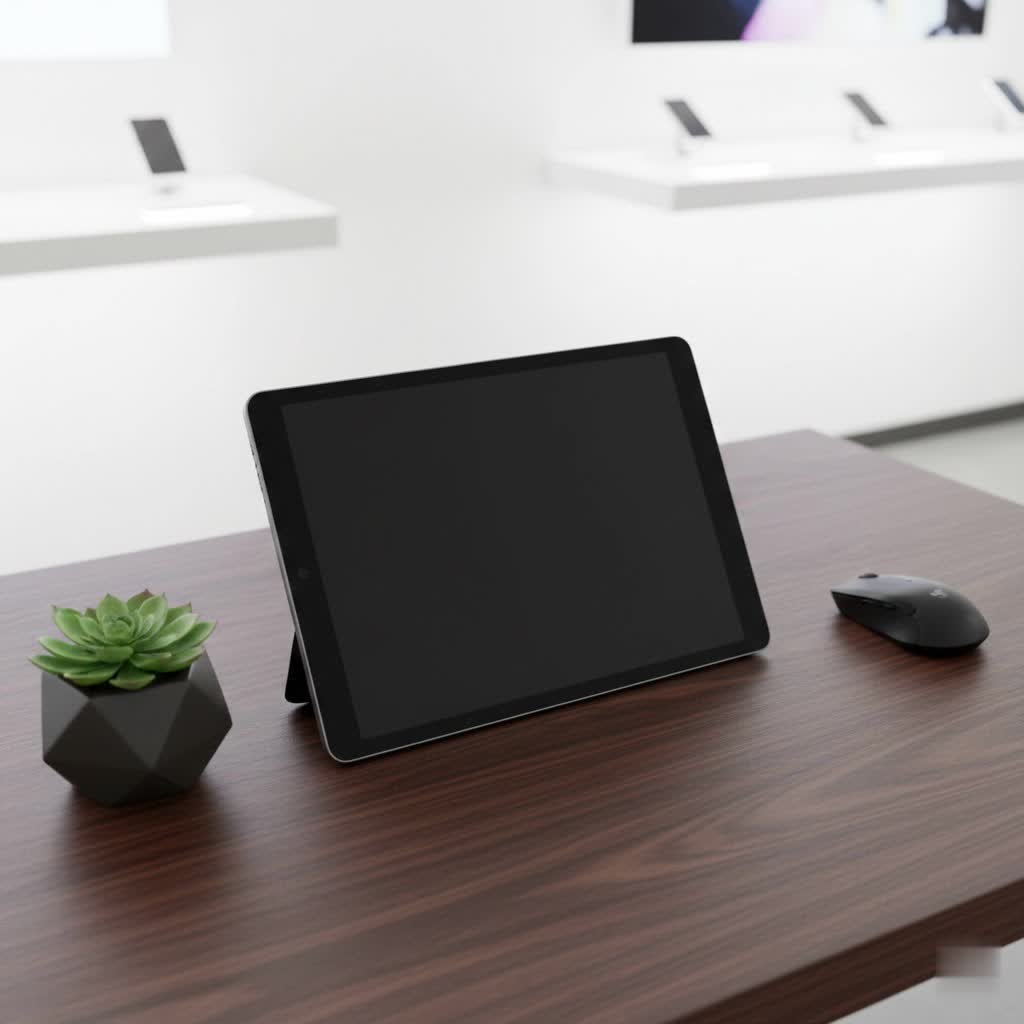
This guide will delve into the diverse landscape of these remarkable devices, exploring their various types, essential buying criteria, and top recommendations. Whether you’re a seasoned professional seeking a mobile studio or an aspiring artist looking for an intuitive entry point, understanding these independent drawing tablets will empower you to choose the perfect creative companion.
Popular Types of Standalone Drawing Tablets
Standalone drawing tablets are primarily categorized by their operating systems, each offering a distinct ecosystem and set of advantages for artists.
Android Tablet Computers
Android-based drawing tablets provide a broad spectrum of choices, often at more accessible price points. Devices like the Samsung Galaxy Tab series (e.g., Galaxy Tab S11 Ultra, Galaxy Tab S11) and the XPPen Magic Drawing Pad exemplify this category.
- Advantages: Android tablets are known for their affordability and the vast selection of applications available through the Google Play Store. They offer high customization, allowing artists to tailor their workspace to their preferences. The XPPen Magic Drawing Pad, for instance, comes with Clip Studio Paint and Ibis Paint X pre-installed for free, offering a rich set of tools for digital art. Many Android tablets also feature expandable storage via microSD cards.
- Disadvantages: While powerful, some Android tablets may face challenges with long-term software updates and can sometimes exhibit inconsistent performance compared to their iOS counterparts, especially with very demanding art applications. Security can also be a more varied landscape across different manufacturers and models.
|
Our Picks for the Best Tablet Computer in 2026
As an Amazon Associate I earn from qualifying purchases.
|
||
| Num | Product | Action |
|---|---|---|
| 1 | Apple iPad 11-inch: A16 chip, 11-inch Model, Liquid Retina Display, 128GB, Wi-Fi 6, 12MP Front/12MP Back Camera, Touch ID, All-Day Battery Life — Yellow with AppleCare+ (2 Years) |

|
| 2 | Samsung Galaxy Tab A9+ Tablet 11” 64GB Android Tablet, Big Screen, Quad Speakers, Upgraded Chipset, Multi Window Display, Slim, Light, Durable Design, US Version, 2024, Graphite |
|
| 3 | Amazon Fire Max 11 tablet (newest model) vivid 11” display, all-in-one for streaming, reading, and gaming, 14-hour battery life, optional stylus and keyboard, 64 GB, Gray |
|
| 4 | Apple iPad 11-inch: A16 chip, 11-inch Model, Liquid Retina Display, 128GB, Wi-Fi 6, 12MP Front/12MP Back Camera, Touch ID, All-Day Battery Life — Pink with AppleCare+ (2 Years) |
|
| 5 | Samsung Galaxy Tab A9+ Kids Edition 11” 64GB WiFi Android Tablet, Long Battery Life, Expandable Storage, Slim & Lightweight, Kid-Friendly Durable Puffy Cover, US Version, Red |
|
| 6 | Apple iPad 11-inch: A16 chip, 11-inch Model, Liquid Retina Display, 128GB, Wi-Fi 6, 12MP Front/12MP Back Camera, Touch ID, All-Day Battery Life — Silver |
|
| 7 | Amazon Fire HD 10 tablet (newest model) built for relaxation, 10.1" vibrant Full HD screen, octa-core processor, 3 GB RAM, 32 GB, Ocean |
|
| 8 | 2-in-1 Laptop/Tablet (2025), Windows 11 PC with Magnetic Keyboard, 12” 2K FHD IPS Touchscreen Display, 4-core N95, 12GB DDR5 RAM 512GB SSD, 2 Stereo Speakers Computer for Home Business Students |
|
| 9 | Amazon Fire HD 8 tablet (newest model), 8” HD Display, 3GB memory, 32GB, designed for portable entertainment, Hibiscus |
|
| 10 | Apple iPad 11-inch: A16 chip, 11-inch Model, Liquid Retina Display, 128GB, Wi-Fi 6, 12MP Front/12MP Back Camera, Touch ID, All-Day Battery Life — Blue with AppleCare+ (2 Years) |
|
iPad Tablet Computers (iPadOS)
Apple’s iPads, particularly the iPad Pro and iPad Air models, are frequently hailed as top-tier choices for digital artists. They run on iPadOS, a robust operating system optimized for touch and pen input.
- Advantages: iPads boast powerful processors (like Apple’s M-series chips), delivering exceptional performance, fluidity, and stability, even with complex projects. The Apple Pencil (sold separately) offers industry-leading pressure sensitivity and tilt support, providing a natural drawing experience. Apple’s App Store is renowned for its high-quality, professional-grade art applications such as Procreate, Affinity Designer, and Clip Studio Paint, which are often highly optimized for the iPad’s hardware. They also offer excellent security and a seamless integration with Apple’s broader ecosystem.
- Disadvantages: The primary drawback of iPads is their higher price point, both for the device itself and for essential accessories like the Apple Pencil. They also offer less customization compared to Android and typically lack expandable storage options.
Windows Tablet Computers
Windows tablets, such as the Microsoft Surface Pro line and specific Wacom MobileStudio Pro models, are essentially full-fledged computers in a tablet form factor.
- Advantages: These tablets offer complete compatibility with desktop-grade Windows software, including professional applications like Adobe Photoshop, Illustrator, and other industry-standard creative suites. This makes them ideal for artists who require the full power and flexibility of a desktop environment on a portable device. They are excellent for office work and seamlessly integrate into existing Windows workflows.
- Disadvantages: Windows tablets often come with a premium price tag, similar to high-end laptops. While capable, they may have fewer tablet-optimized applications compared to iPadOS or Android, and their battery life can sometimes be shorter due to running full desktop operating systems and more powerful hardware. Portability can also be slightly less convenient due to generally heavier builds and the need for more robust cooling systems.
Key Criteria for Choosing a Standalone Drawing Tablet (Buying Guide)
Selecting the ideal standalone drawing tablet requires careful consideration of several factors to ensure it meets your artistic needs and budget.
Screen Size
The screen size significantly impacts both portability and your drawing experience.
- 7-8 inches: Compact and highly portable, ideal for quick sketches, note-taking, and artists who prioritize maximum mobility.
- 9-11 inches: Offers a balanced blend of portability and a comfortable working area, suitable for a wide range of artistic endeavors.
- 12 inches or more: Provides an expansive canvas, excellent for detailed work, complex compositions, and as a potential laptop replacement for professional tasks.
Hardware Specifications (CPU, RAM, Internal Storage)
These components dictate the tablet’s performance and capability to handle demanding art software.
- CPU: Look for powerful processors such as Apple’s Bionic or M-series chips, Qualcomm Snapdragon (especially flagship 8 Gen series), MediaTek Dimensity high-end chips, or Intel Core i5/i7 for Windows tablets. A stronger CPU ensures smoother performance, especially when working with multiple layers or high-resolution canvases.
- RAM: Aim for a minimum of 4GB RAM for basic drawing tasks, but 6GB or 8GB and above is highly recommended for professional use to prevent lag and allow for multitasking.
- Internal Storage: A minimum of 64GB is advisable, though 128GB or 256GB is preferable for storing numerous artworks and applications. Consider models with microSD card slots (common in Android) for expandable storage.
Battery Life
For a truly portable experience, robust battery life is crucial.
- Target 6-8 hours of continuous use or more: This ensures you can work for extended periods without needing to find a power outlet, supporting creativity on the go. The XPPen Magic Drawing Pad, for instance, boasts up to 13 hours of battery life, making it highly suitable for artists who spend long hours creating.
Operating System
As discussed, your choice of OS (Android, iPadOS, Windows) will influence the available apps, user interface, and overall ecosystem.
- Android: Offers openness, high customizability, and a wide price range.
- iPadOS: Known for its smooth performance, strong security, and a rich ecosystem of high-quality art applications.
- Windows: Provides full desktop software compatibility, ideal for professionals needing specific PC-exclusive applications.
Other Features
Consider these additional functionalities that can enhance your drawing experience:
- 4G/5G Connectivity: For internet access and cloud syncing without Wi-Fi.
- Stylus/Pen: Check for pressure sensitivity levels (e.g., 8,192 or 16,384 levels), tilt support, and whether it’s included or a separate purchase. A good stylus offers a natural, responsive drawing feel.
- Detachable Keyboard: Transforms your tablet into a more versatile workstation for typing and productivity.
- Camera: Useful for reference photos or scanning textures directly into your artwork.
Comparison Table: Standalone Drawing Tablets
| Criteria | Android | iPad (iPadOS) | Windows |
|---|---|---|---|
| Price | Generally more affordable to mid-range | High-end, premium pricing | Mid-to-high end, comparable to laptops |
| Performance | Varies widely by model, good to excellent | Extremely powerful, smooth, and consistent | Excellent, full desktop capabilities |
| Operating System | Open, highly customizable | Closed, optimized for touch and pen | Full desktop OS, highly versatile |
| Applications | Vast selection, varying quality | High-quality, professionally optimized apps | Full desktop software, less tablet-optimized |
| Portability | High, many lightweight options | High, sleek, and lightweight | Medium, generally heavier and thicker |
| Expandable Storage | Often available (microSD) | Rarely available | Often available (microSD or external drives) |
Top Standalone Drawing Tablets for Artists
The market for standalone drawing tablets is rich with innovative devices, each catering to different needs. Here are a few highly-rated options:
XPPen Magic Drawing Pad (Android)
The XPPen Magic Drawing Pad is a strong contender for artists seeking a dedicated Android drawing experience. It boasts a 12.2-inch screen and weighs a mere 590 grams, emphasizing ultimate mobility. Its standout feature is the X3 Pro Slim Stylus, offering an impressive 16,384 pressure levels and tilt support, paired with an X-Paper display that mimics the friction of real paper. It comes pre-loaded with art software like Clip Studio Paint and Ibis Paint X, making it ready for creation right out of the box. With an 8000mAh battery providing up to 13 hours of use, it’s designed for extended creative sessions on the go. This tablet is more than just a drawing tool; it also functions as a media consumption device, complete with four speakers and a 512GB Micro SD card slot.
iPad Pro 2024 / iPad Air M3 (iPadOS)
The iPad Pro (especially with the M4 chip) is widely regarded as the most powerful tablet for drawing and image editing, offering desktop-level performance. The iPad Air M3 presents a more budget-friendly yet still highly capable alternative. Both offer stunning Liquid Retina displays, vibrant colors, and seamless integration with the Apple Pencil (2nd Gen or USB-C, sold separately), which provides exceptional precision and responsiveness. The iPad ecosystem is brimming with professional art applications like Procreate, which runs flawlessly on these devices. While pricey, the iPad Pro’s unparalleled performance and robust app ecosystem make it a favorite among professional artists. The base model iPad is also an excellent portable drawing device, especially for non-professional artists, offering solid performance with the A16 Bionic chip and excellent battery life.
Microsoft Surface Pro 11 (Windows)
For artists who need the full power of Windows desktop applications in a tablet form factor, the Microsoft Surface Pro 11 is an excellent choice. This device acts as a versatile 2-in-1, effortlessly transitioning from a powerful tablet for drawing with the Surface Pen to a functional laptop with a detachable keyboard. It offers strong performance, vivid displays, and the ability to run any Windows-compatible art software without compromise. While its battery life might not match some dedicated Android or iPadOS tablets, its compatibility with professional software makes it invaluable for artists who rely on specific Windows-only tools or frequently switch between drawing and other productivity tasks.
Tips for Using and Maintaining Your Standalone Drawing Tablet
To ensure your standalone drawing tablet remains a reliable tool for years to come, proper usage and maintenance are essential.
- Regular Screen Cleaning: Use a soft, lint-free cloth specifically designed for electronics to gently clean the screen. Avoid harsh chemicals that could damage the display or protective coating.
- Software Updates: Keep your tablet’s operating system and drawing applications updated. These updates often include performance improvements, bug fixes, new features, and crucial security patches that enhance your creative workflow and protect your device.
- Protect from Physical Damage: Invest in a sturdy case and a screen protector to guard against scratches, bumps, and accidental drops, especially given the portable nature of these devices.
- Use Original Accessories: Whenever possible, use the original charger, stylus, and other accessories provided by the manufacturer. This ensures compatibility and optimal performance, and can help prolong the lifespan of your device.
- Optimal Battery Health: Avoid fully discharging your battery frequently. While modern batteries are robust, maintaining a charge between 20% and 80% can extend its overall lifespan.
Conclusion
The evolution of drawing tablets that don’t need a computer has truly revolutionized the creative process, offering artists unprecedented freedom and flexibility. From the customizable and often budget-friendly Android tablets to the high-performance, app-rich iPads and the full-desktop power of Windows devices, there’s a standalone solution for every artist. Carefully considering factors like screen size, hardware specifications, battery life, and your preferred operating system will guide you to the perfect tool.
Embrace the convenience of a mobile studio and let your imagination flow without boundaries. Which standalone drawing tablet will empower your next masterpiece?
Frequently Asked Questions
What is the main advantage of a standalone drawing tablet over a traditional graphics tablet?
The primary advantage is complete independence from a computer, offering superior portability and a direct drawing experience on a built-in screen. This allows artists to create anywhere, anytime, without needing to be tethered to a desktop or laptop.
Can I run professional desktop art software on a standalone drawing tablet?
Yes, on Windows-based standalone tablets like the Microsoft Surface Pro, you can run full desktop versions of professional software like Adobe Photoshop. Android and iPadOS tablets run mobile-optimized versions or alternative professional-grade apps like Procreate or Clip Studio Paint, which are highly capable but designed for the tablet ecosystem.
Are standalone drawing tablets suitable for beginners?
Absolutely! Many standalone tablets, particularly more affordable Android models or base model iPads, offer intuitive interfaces and a direct drawing experience that can be very encouraging for beginners to explore digital art without the complexity of connecting to a computer.
Do I need to buy a separate stylus for these tablets?
It depends on the model. Some standalone drawing tablets, like the XPPen Magic Drawing Pad, include their dedicated stylus. However, with iPads, the Apple Pencil is typically a separate, essential purchase. Always check what accessories are included with your chosen tablet.
How important is pressure sensitivity in a drawing tablet?
Pressure sensitivity is crucial as it allows the stylus to mimic traditional drawing tools, varying line thickness and opacity based on how hard you press. Higher pressure levels (e.g., 8,192 or 16,384) generally offer more nuanced control, leading to a more natural and expressive drawing experience.
